
CHILD SAFETY
SAFE. RESPECTED. SUPPORTED. PROTECTED.
At Apex, we are committed to creating environments where children and young people feel safe, respected, supported, and protected.
Child safety is not viewed as a single policy or compliance requirement. Rather, it is embedded throughout our broader organisational culture, operational systems, staffing practices, supervision models, environmental design, communication procedures, and leadership expectations.
As Apex continues to develop, this section of the website will expand to provide additional information regarding our safeguarding practices, reporting procedures, behavioural expectations, risk management systems, and broader child-safe operational framework.
COMMITTED TO CHILD-SAFE PRACTICES
BLUE CARD REQUIREMENTS
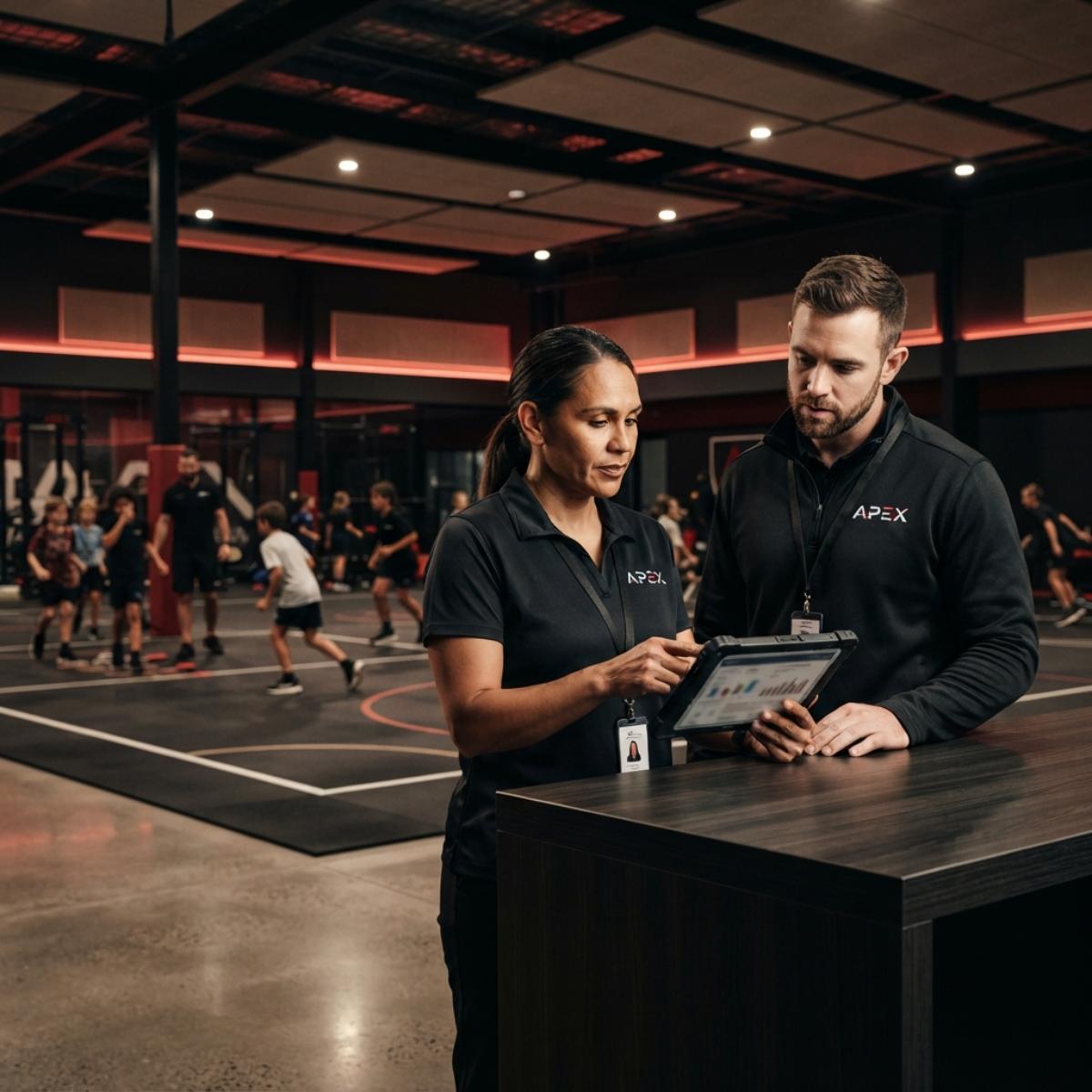
All staff members and volunteers working within Apex are required to hold and maintain a valid Blue Card in accordance with Queensland Working with Children requirements.
This requirement forms part of our broader commitment to maintaining safe environments for children and ensuring that all personnel working within the organisation meet relevant screening and compliance obligations.
Additional information regarding staff expectations, onboarding requirements, and safeguarding responsibilities will be released progressively.
GOVERNING BODY STANDARDS
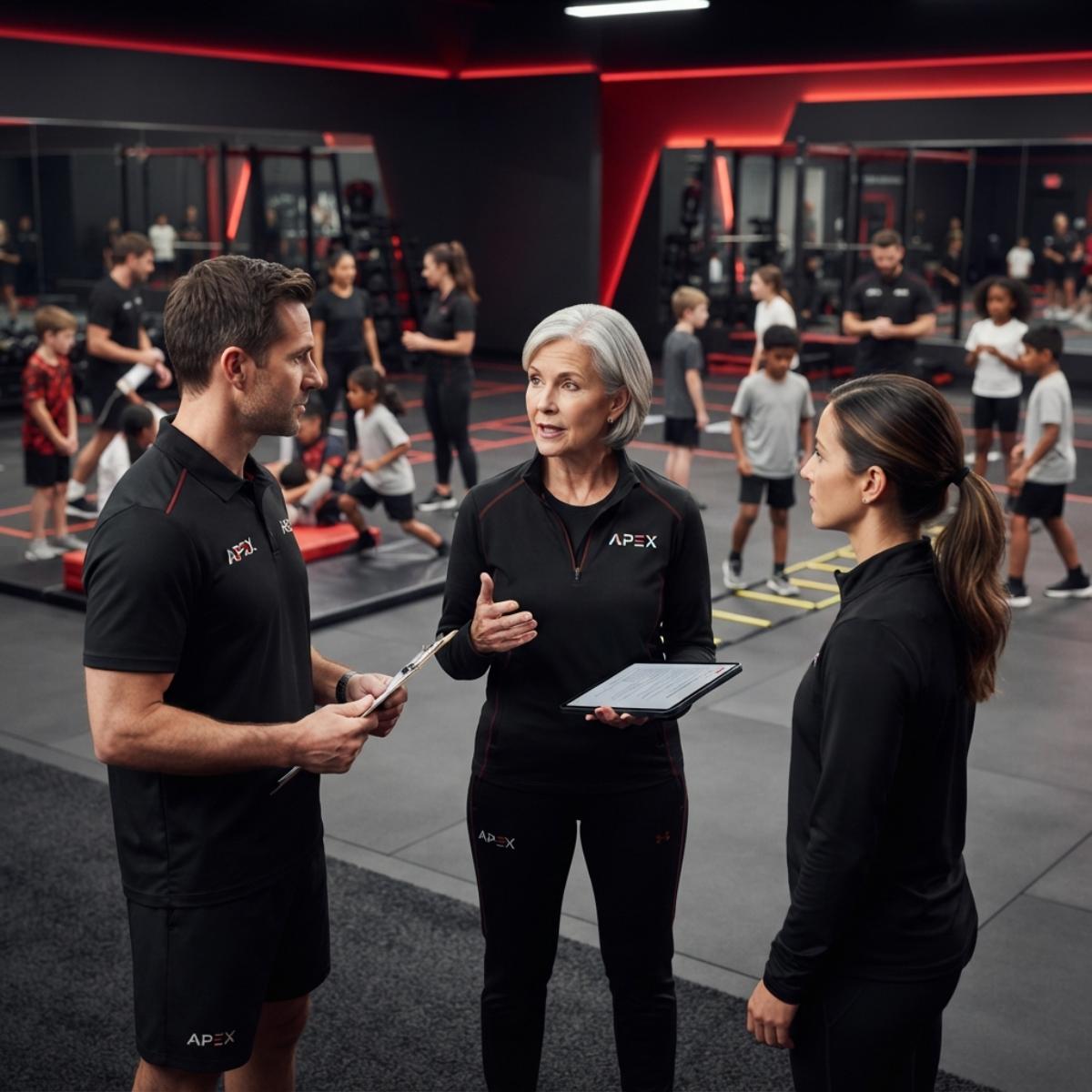
Apex closely follows the guidance, policies, and recommendations provided by relevant governing and industry bodies, including Gymnastics Australia and Gymnastics Queensland.
These frameworks help guide many aspects of our operational practices, including supervision expectations, coaching conduct, reporting procedures, member protection, safeguarding standards, and broader organisational responsibilities relating to child safety and athlete wellbeing.
RISK REDUCTION & ENVIRONMENTAL SAFETY
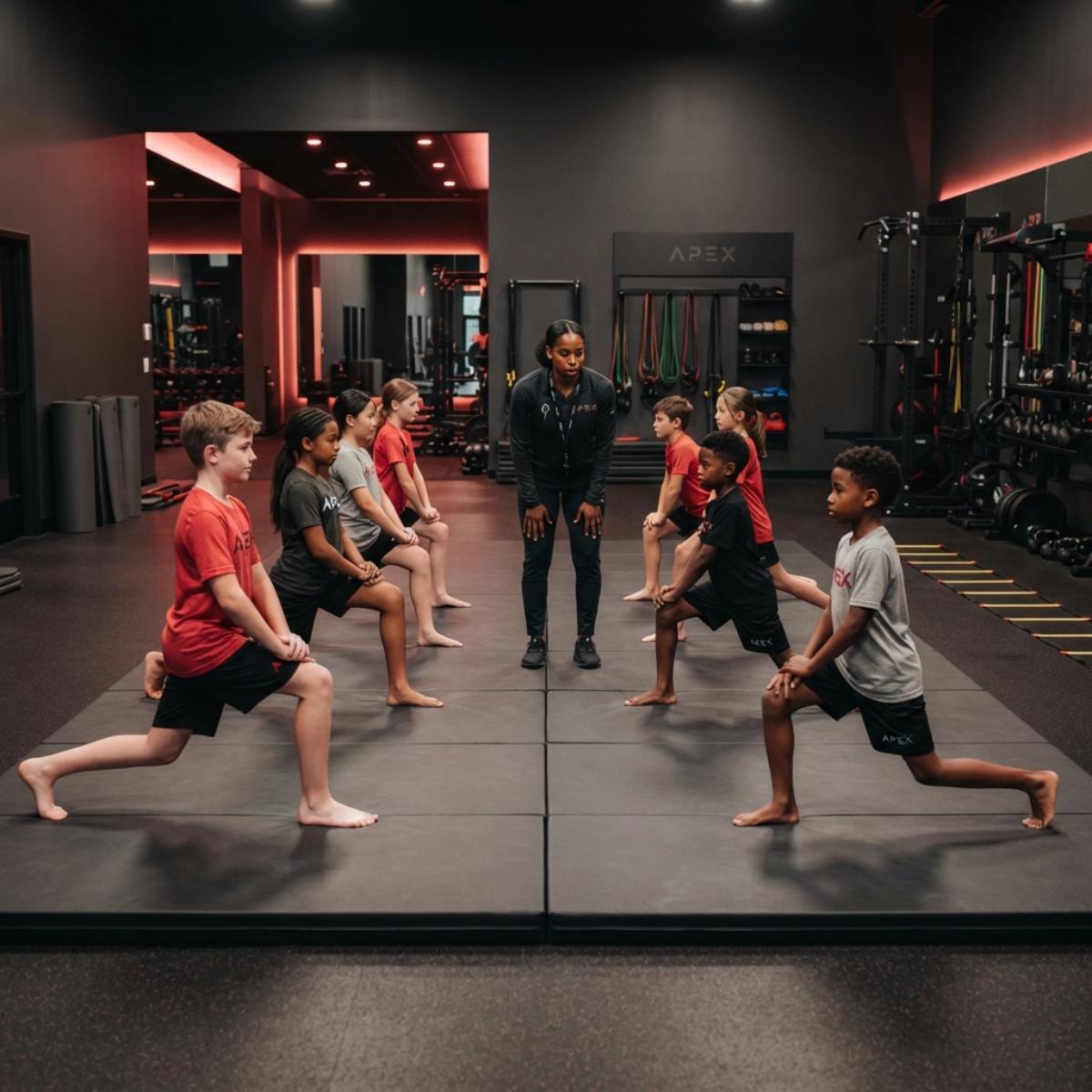
The Apex approach to child safety is also informed by expertise in crime prevention, behavioural systems, environmental design, and organisational risk reduction.
Founder Dr Lacey Schaefer holds academic expertise in crime prevention and applies many of these principles to the design of Apex operational systems, staffing structures, supervision practices, and physical environments.
Our goal is to create systems and spaces that actively reduce opportunities for harm while promoting visibility, accountability, professionalism, and safer interactions throughout the organisation.
STAFF CONDUCT & EXPECTATIONS
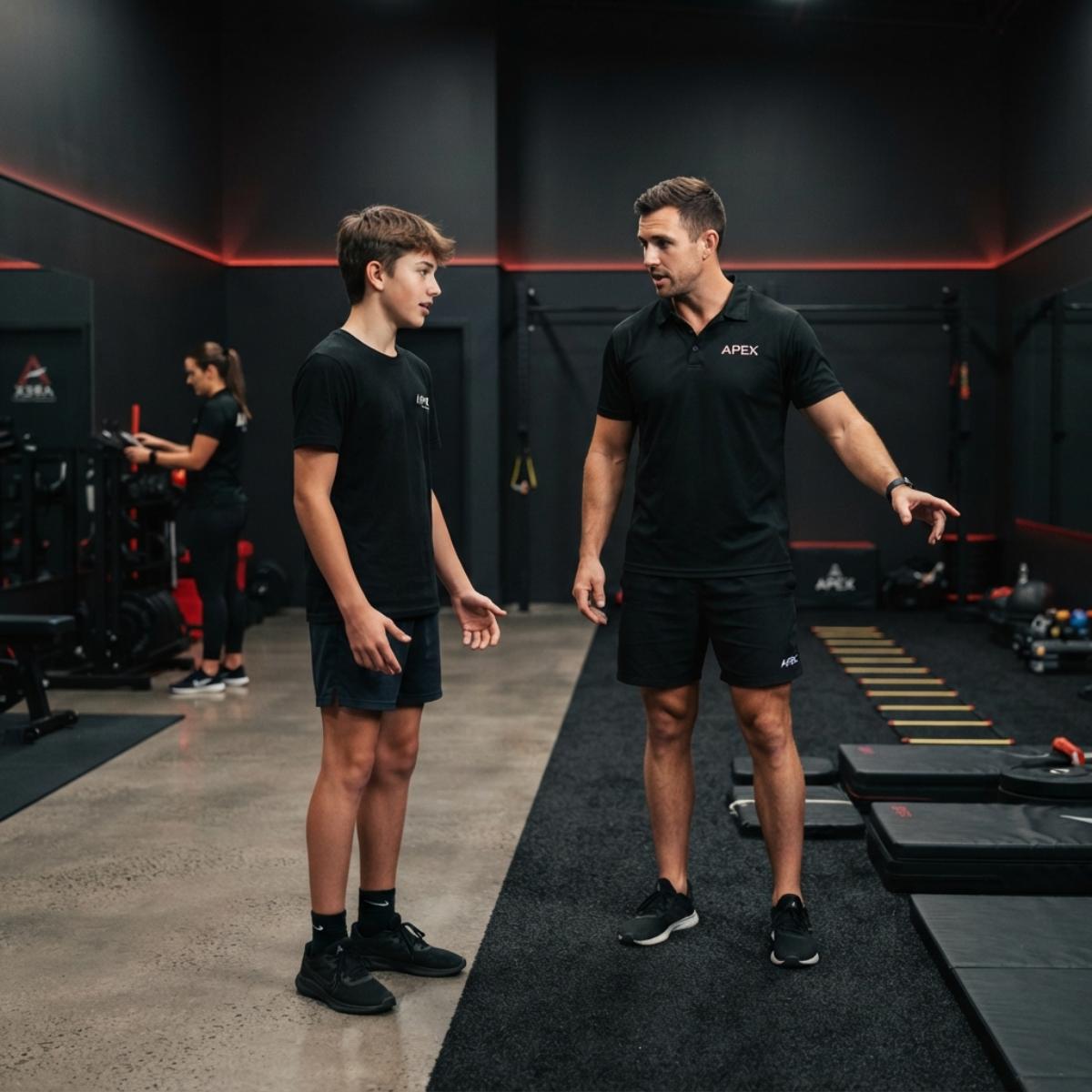
All Apex staff and volunteers are expected to demonstrate professionalism, appropriate boundaries, respectful communication, and behaviour consistent with child-safe operational practices.
As the organisation develops, additional policies and procedures relating to staff conduct, communication standards, supervision expectations, social media use, reporting obligations, and safeguarding responsibilities will be made available within this section of the website.
We are committed to fostering a culture where safeguarding responsibilities are understood, prioritised, and actively upheld across every level of the organisation.
COMMUNICATION & REPORTING
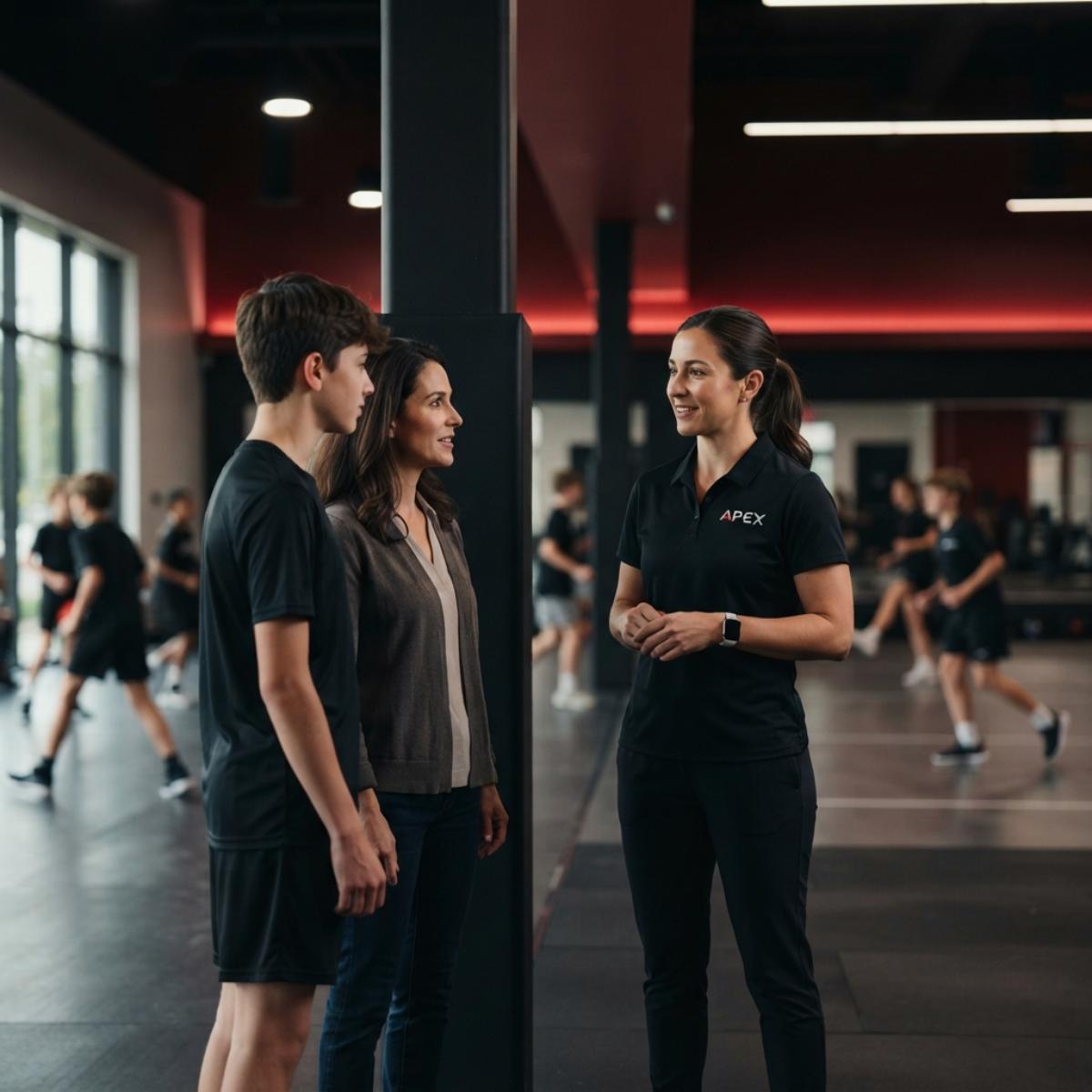
Apex aims to foster an environment where athletes, families, staff, and community members feel comfortable raising concerns, asking questions, and communicating openly regarding safety and wellbeing matters.
As our systems continue to develop, this section will provide further information regarding reporting pathways, communication procedures, complaints processes, and organisational responses to safeguarding concerns.
The long-term goal is to maintain an environment built on trust, transparency, accountability, and proactive child-safe practice.